
“As we contemplate the stones that preserve the memory of our ancestors, small plants grow upon those very same stones, preserving the memory of a world that existed millions of years before us.”
In recent days, we have watched with concern as the wildfire at Las Peñas de Riglos threatened one of Aragon’s most emblematic sites: the Monastery of San Juan de la Peña. As the fire advanced, the remains of the first kings of Aragon, preserved in the Royal Pantheon, were transferred to the Museum of Huesca, together with other historical artefacts.
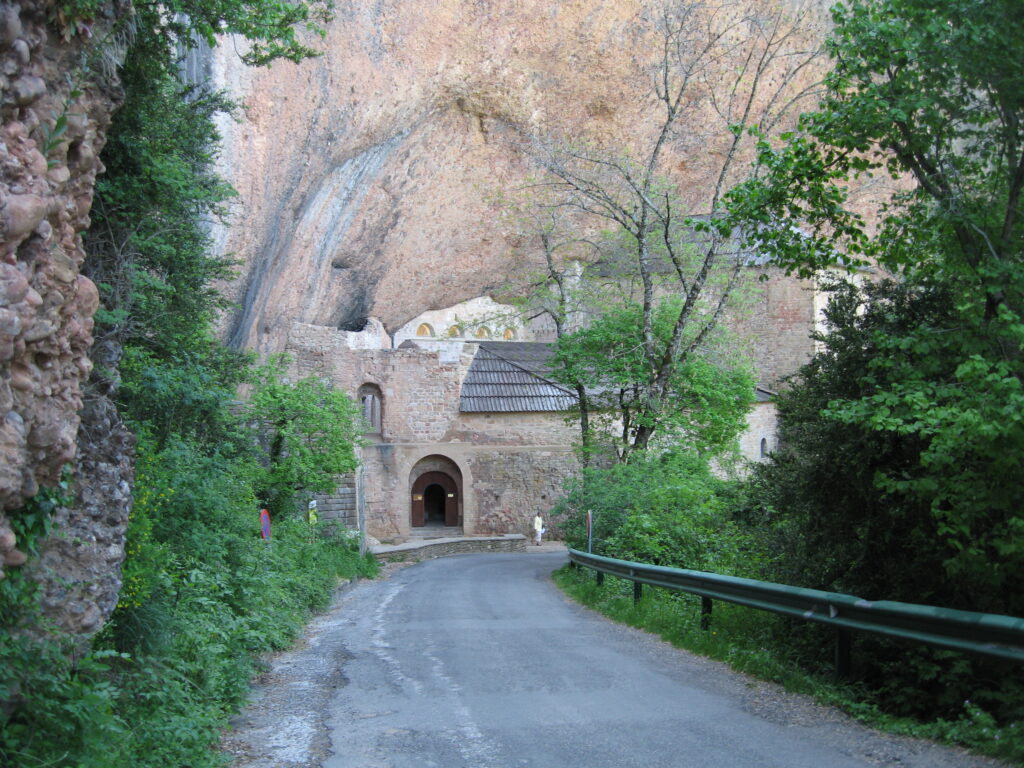
Fortunately, the fire did not ultimately reach the monasteries.
I find the efforts made to protect this heritage admirable. Those remains, paintings and stones constitute an irreplaceable archive of our history. They help us to understand who we were and how what we now call Aragon came into being.
But… the Old Monastery contains another archive of Aragon’s history. It is alive—and it has probably gone much more unnoticed in recent days.
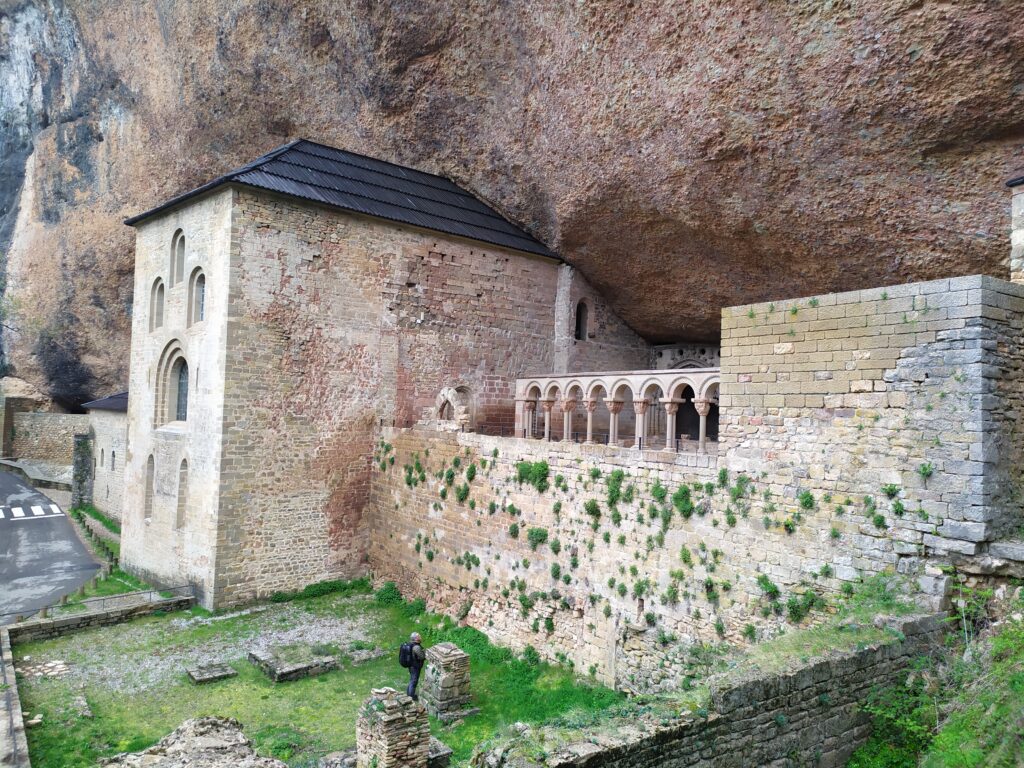

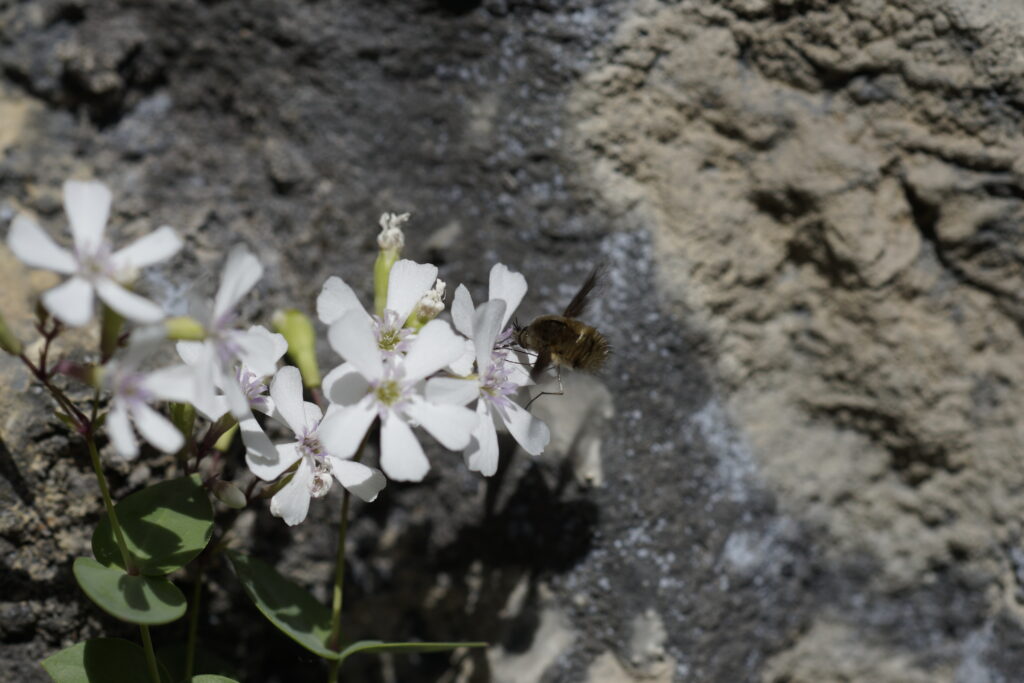
En las grietas de sus propios muros crece Petrocoptis hispanica, una pequeña planta rupícola endémica de estas montañas. Pertenece a un linaje cuya historia evolutiva se remonta al Mioceno, hace más de diez millones de años. Los estudios genéticos más recientes muestran, además, que la historia de Petrocoptis es extraordinariamente compleja: aislamiento de poblaciones, divergencia, hibridación y adaptación han ido dejando su huella en las plantas que vemos hoy.
Hace un año utilizamos precisamente estas plantas como protagonistas de nuestro cuento ilustrado Rompepiedras y la familia bióloga. Queríamos contar la historia de unas plantas capaces de vivir donde pocas pueden hacerlo: aferradas a pequeñas grietas y fisuras de enormes paredones rocosos, haciendo de un ambiente aparentemente hostil su hogar y su refugio.
Resulta paradójico que, después de millones de años persistiendo en esos lugares, una perturbación de probable origen humano haya podido amenazar también ese refugio.
Y ahí es donde este incendio me lleva a una reflexión. En San Juan de la Peña conviven literalmente dos archivos de nuestra historia. Uno está escrito en piedras, pinturas, esculturas y restos humanos y nos permite reconstruir buena parte del último milenio de la historia de Aragón. El otro está escrito en genes, adaptaciones y relaciones evolutivas y nos permite remontarnos millones de años atrás, mucho antes de que Aragón tuviese siquiera un nombre.
We understood perfectly well that the first archive was irreplaceable, and we mobilised every possible resource to protect it. I am deeply glad that we did. But perhaps we should learn to look upon the second with the same sensitivity. A natural population is not simply a collection of plants that could be put back in the same place—as some may assume. It is the unrepeatable outcome of thousands upon thousands of generations surviving in one particular location. We can conserve seeds in a germplasm bank, but when a population disappears, we lose part of the information it contains about the history of that territory.
This is not, of course, about deciding which kind of heritage deserves more of our attention. It is about broadening our idea of heritage.
San Juan de la Peña offers an extraordinary image through which to understand this. As we contemplate the stones that preserve the memory of our ancestors, small plants grow upon those very same stones, preserving the memory of a world that existed millions of years before us.
Both tell us where we come from.
Perhaps we should learn to read and protect both archives. What do you think?

